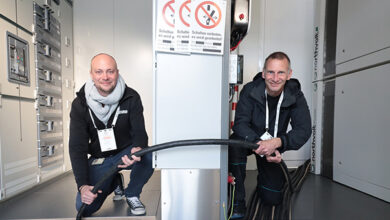
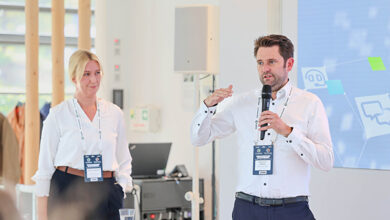
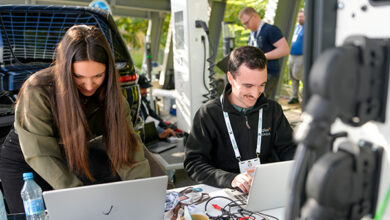
Final sprint at All Electric Society Park in Blomberg. Cars, trucks, and prototypes move quietly across the parking lots with a slight grinding sound; people lean intently over displays; charging connectors are inserted into high-powered inlets. The Testival is entering the home stretch. We took a look behind the scenes at the CharIn Testival.
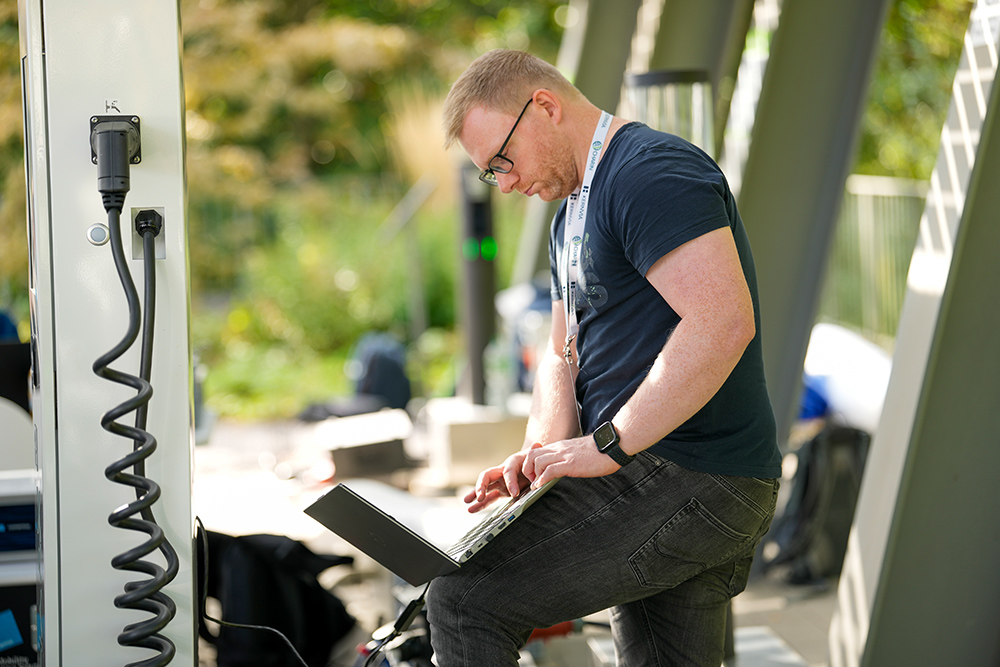
Months of preparation
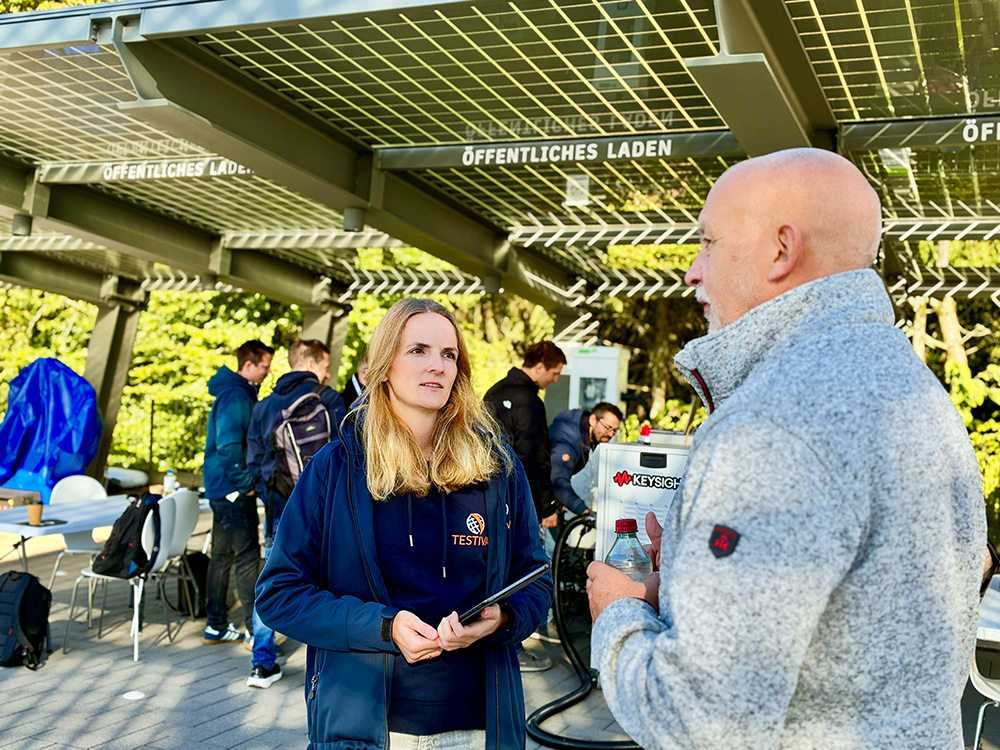
More than 360 participants, 27 companies, 33 test vehicles, and hundreds of charging processes: This week, the international Testival held on the Phoenix Contact campus proved to be one of the most important hands-on gatherings in the charging infrastructure industry. Behind the event’s smooth operation was a months-long organizational process coordinated by Christina Friebe, the overall project manager for the organizer, CharIn Testivals.
“Actually, the work began half a year ago,” Friebe reports. The first discussions took place back in February, and concrete preparations have been underway since March. From coordinating service providers and technical arrangements to securing permits, developing marketing concepts, and selecting suitable test sites, the organization was entirely in her hands. “Everything that goes into making sure the participants arrive and have a good time.”
190 times homework
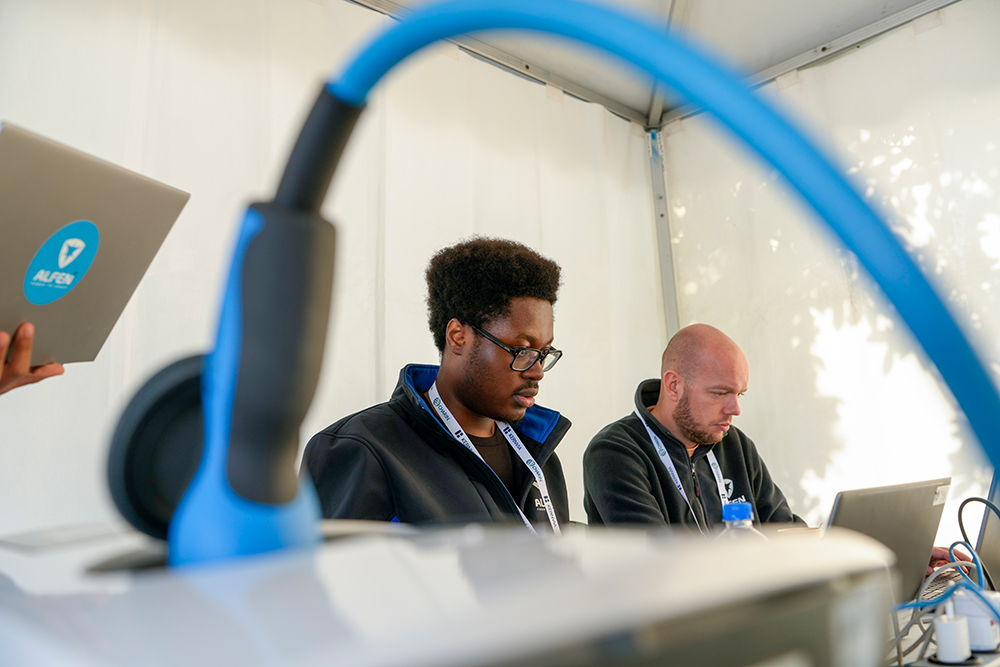
The scale of the event shows just how elaborate such an event has become. Over the course of the week, more than 360 participants were on site, including companies, developers, testers, and organizational teams. On Wednesday’s heavily attended Public Day alone, more than 250 guests were counted. The CharIn team alone was represented on-site by seven employees, joined by experts from partner companies.
The focus was on practical technical testing. At a total of 19 different test sites, vehicles, charging stations, and test systems could be combined with one another. A total of 27 companies participated with 33 so-called “pieces of equipment”—that is, vehicles, charging stations, or specialized test systems. Across the various time slots, this resulted in approximately 190 possible test combinations, each lasting 90 minutes. Analyzing the test data alone will keep the engineers busy for weeks to come.
The ideal Partners
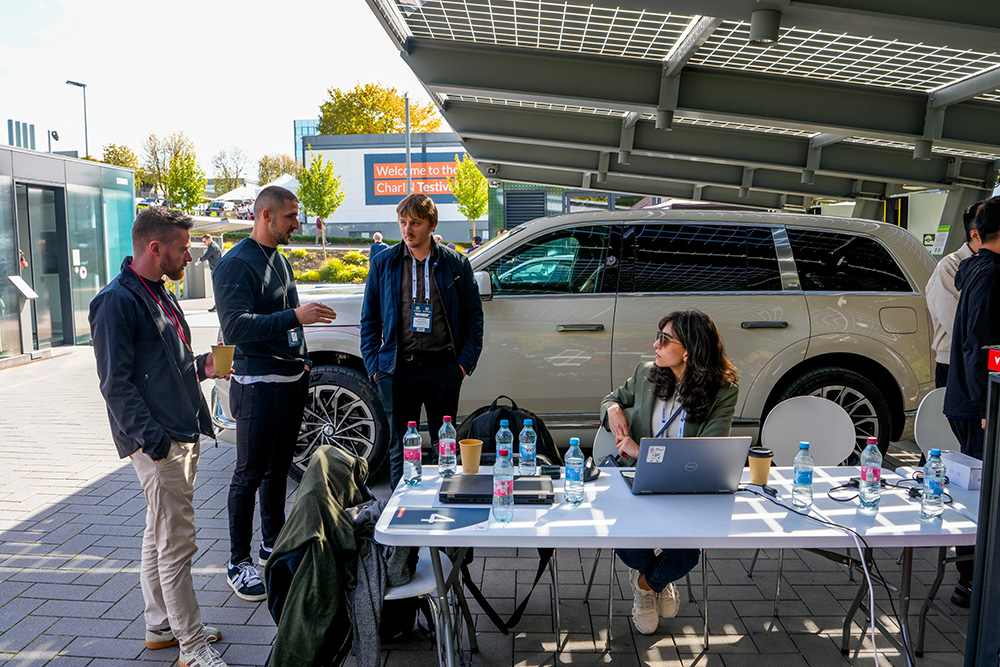
Planning these test scenarios was—and remains—particularly complex. This is because companies register over a period of several months. The list of participants is published on the event website so that other companies can see early on which potential test partners have already registered. However, a complete picture often doesn’t emerge until just a few weeks before the event begins. According to Friebe, the last registration was received just three weeks before the event.
To ensure that the tests are as accurate as possible, all participants must provide detailed technical information. A questionnaire is used to determine which standards and functions the respective systems support. Based on this information, the technical partner Keysight Technologies performs a complex matching process among the various participants. At the same time, companies may name preferred partners with whom they would like to conduct testing.
There’s no end to engineers
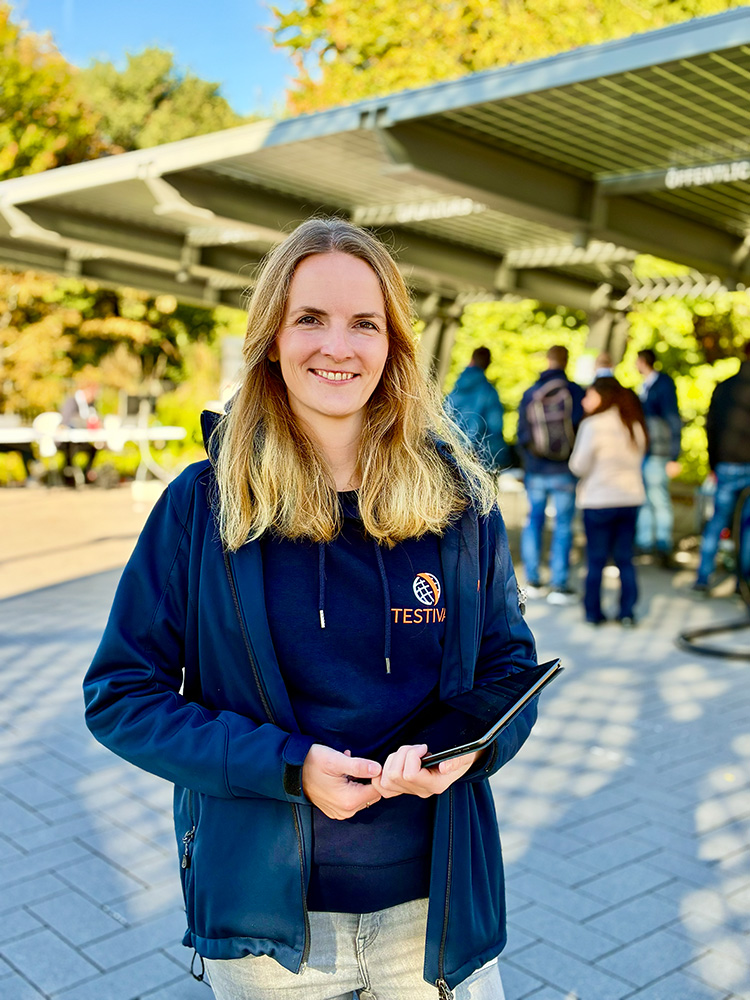
“It’s like a big puzzle,” Friebe says, describing the process. The goal is to enable as many technically sound combinations as possible while taking the participants’ wishes into account. The concept is supplemented by so-called “after-hours tests.” Since many engineers want to continue working even after the official program ends, an additional hour is set aside each day for spontaneous experiments. “Engineers never stop,” Friebe says with a smile. At the same time, this arrangement ensures that a balance is maintained between maximum testing time and a predictable event schedule.
The conclusion, however, is clear: the collaboration with Phoenix Contact was exceptionally collaborative. Despite the size of the corporation and the associated coordination challenges, the on-site team provided comprehensive support for the event. “We had a wonderful time here,” says Friebe. She’s in a good position to judge, since for Christina Friebe, the Testival in Blomberg was already her tenth event of this kind. She has been involved with international test events for more than four years and has worked on several occasions in Europe, South Korea, and the U.S.
Testing Ground for the Future
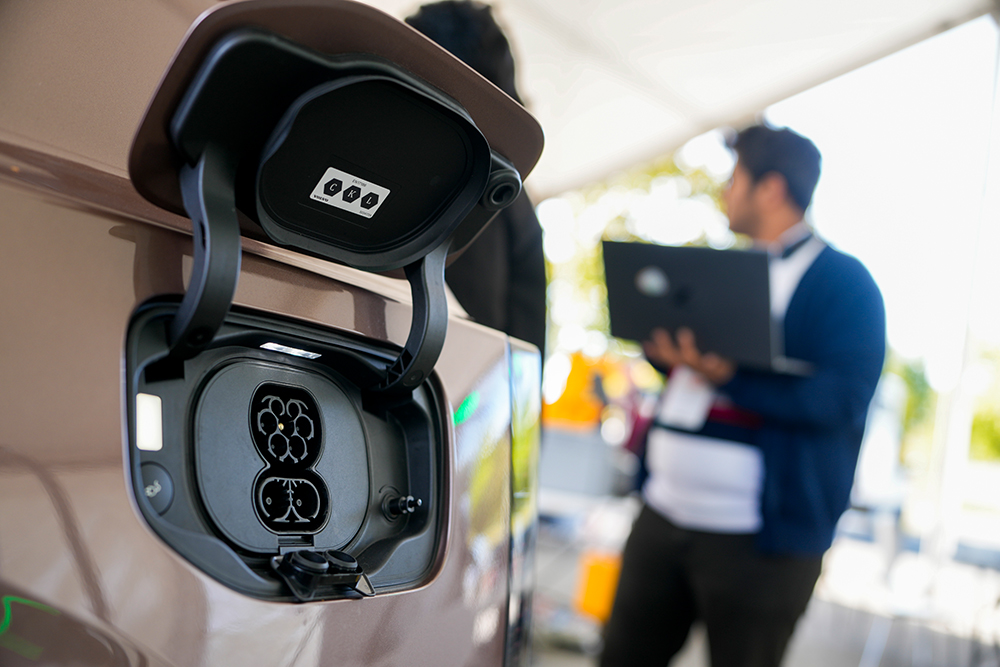
The Testival has thus impressively demonstrated how important real-world testing is for the further development of e-mobility. Future technologies such as bidirectional charging and megawatt charging for heavy-duty utility vehicles are set to be standardized and established.
But the dominant theme was the convergence of technology sectors that had existed independently of one another for decades. Mobility and energy grids will be much more closely linked in the future, and they must develop a common language and direction in order to jointly drive the energy and mobility transitions forward. For four days, Blomberg became a real-world testing ground for this future.