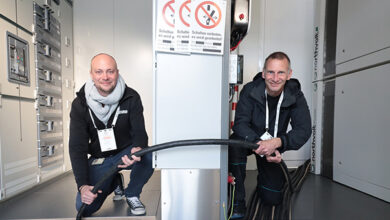
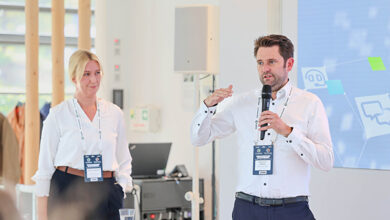
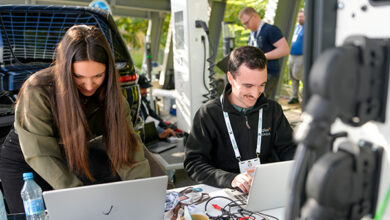
E-mobility and energy grids—two topics and perspectives that go hand in hand. That was precisely the theme of the conference, which dominated the first day.
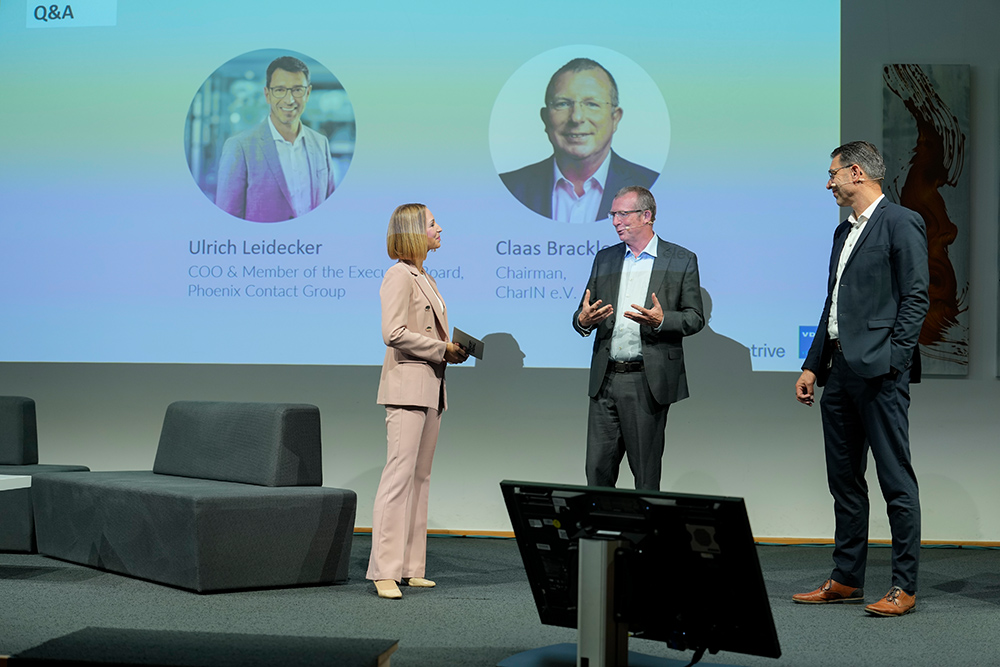
E-mobility is evolving from a purely transportation-related issue into a central component of the energy transition. At the CharIN Conference, high-level representatives from the energy sector, industry, research, and charging infrastructure discussed the next stage of development for e-mobility: networked energy systems, flexible electricity markets, and the smart integration of electric vehicles into the power grid. It became clear that the technological foundations are largely in place. To fully harness the potential of e-mobility, renewable energy, and energy storage in the future, better regulatory frameworks and new market mechanisms are needed above all else.
Deregulate quickly!
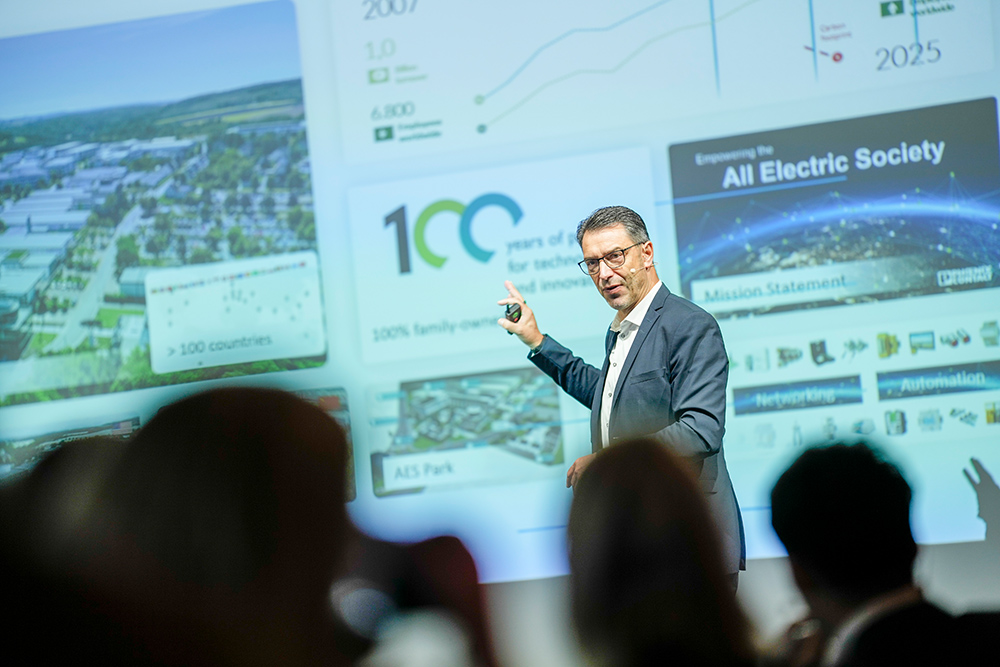
In his opening remarks welcoming the approximately 160 participants, Ulrich Leidecker, spokesperson for the Group Executive Board and Chief Operating Officer of Phoenix Contact, emphasized a theme that would run like a common thread throughout the day: Overregulation and a lack of political will to shape the future are European problems that are turning into a real competitive disadvantage. “Unfortunately, we’re moving far too slowly; we urgently need to pick up the pace in Europe.” He stressed the need to translate ambitious visions of the future into scalable solutions. Claas Bracklo, Chairman of CharIN e.V., followed up on this and offered a global perspective on the development of the charging ecosystem. The next key topic, according to the CharIN Chairman, is bidirectional charging, which is gaining importance.
The Megawatt Wall
A recurring theme of the day was the question of how e-mobility can be more closely integrated with the energy system in the future. Rather than viewing individual charging parks in isolation, many speakers shifted the focus to entire energy ecosystems. Wulf Schlachter, CEO of DXbe Management and an expert on truck charging systems, was certain: “We are only at the beginning of the e-mobility development; with the establishment of HPC charging technology in the passenger car sector, we have just experienced the first generation. Now, the electrification of heavy-duty transport and the establishment of megawatt charging will be the next stage of development.” The expert predicted that by 2030, charging durations for passenger cars will range from 10 to 15 minutes and for trucks from 30 to 45 minutes. However, this would require a constant charging power of 1,000 to 1,500 kW. While he expects widespread adoption of 800-V technology in passenger cars, he forecasts a dynamic 1,250-V architecture for trucks. To reliably provide the energy required for this, active, flexible, and resilient grids are needed. In addition, truck depots would need their own large battery systems, which could also be utilized to support grid stability.
The Rolling Grid Stabilizer
But how should we address the issue of grid expansion moving too slowly? Federico Artés of Iberdrola | bp pulse reported on increasingly frequent negative electricity prices on the Iberian Peninsula. However, the necessary grid expansion takes time. In the short term, additional flexible demand could help make better use of excess renewable energy. As a result, electric vehicles would increasingly transition from being mere consumer devices to active energy resources. “EVs become assets” was the central message. While the vehicle is visible, the actual innovation takes place behind the scenes of the necessarily smart energy system.

The idea that flexibility will become a crucial factor for success in the future was a recurring theme throughout the discussions. During the panel discussion on the integration of renewable energy, storage, and charging infrastructure, Gerrit Pürstl of Siemens called for faster approval processes and greater clarity regarding subsidy programs. A battery storage system was also identified as a key technology. David Oudsandji of Voltfang pointed out that the technical solutions are already available. Additional storage capacity could help relieve strain on the grid and lower energy costs. While there is a willingness to invest, regulatory requirements often slow down implementation.
The Dynamics of Change
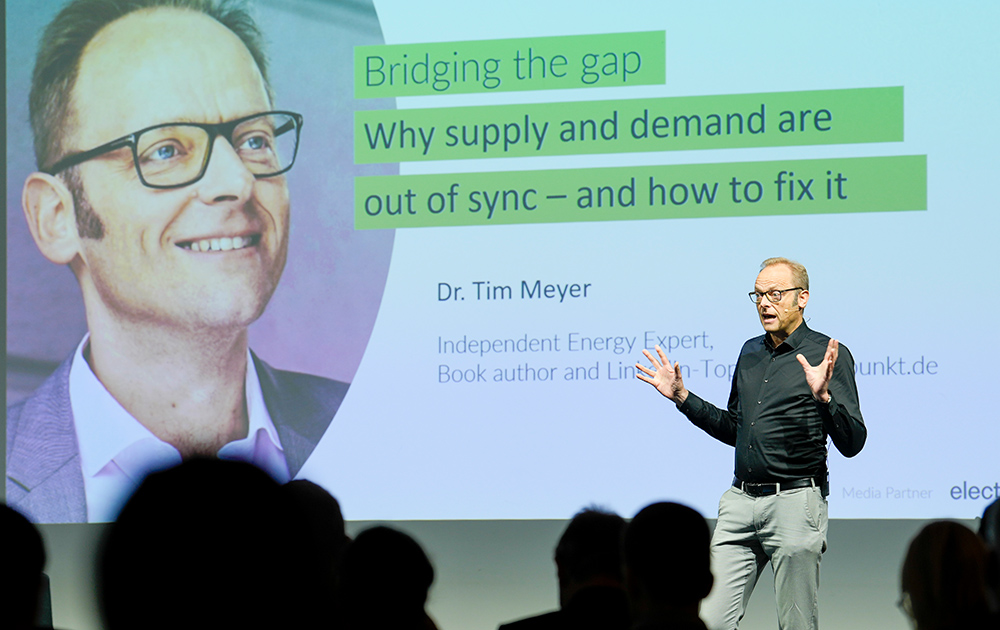
The analysis presented by energy expert Dr. Tim Meyer in his lecture was correspondingly critical. Europe, he argued, does not have a technological problem, but rather a regulatory problem and, in some cases, misguided incentive systems. It is not climate protection that serves as a compelling argument for the energy transition, but rather the electrical engineering revolution. And as he pointed out, that revolution is currently progressing exponentially. Though not necessarily in the European domestic market, he added with a shake of his head. At the same time, he expressed his conviction that suitable market models and more flexible price zones within a European energy market could overcome the existing hurdles. “Just do it.”
Not just trucks
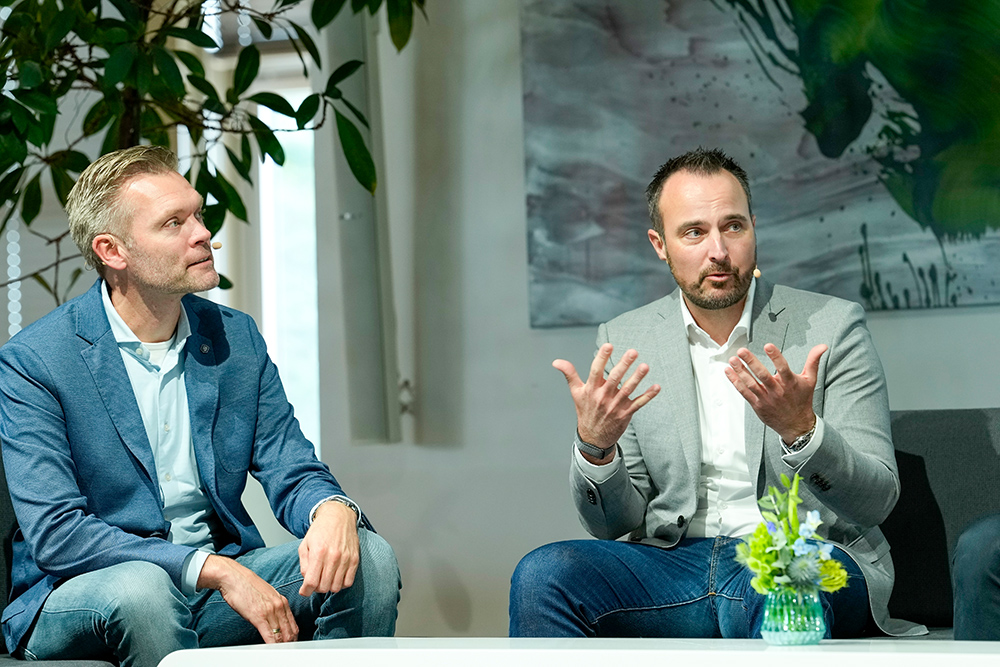
Another key focus of the conference was the ramp-up of electric utility vehicles. Representatives from the National Charging Infrastructure Control Center, from Milence, Shell Business Recharge Solutions, and LichtBlick eMobility discussed the requirements for establishing a high-performance megawatt charging infrastructure. It became clear that the electrification of heavy-duty transportation must go far beyond individual pilot projects. What is needed are integrated energy and charging solutions that take a holistic view of grids, storage systems, charging points, and renewable energy generation facilities.
In the afternoon, the focus shifted to vehicle-to-grid concepts and the digitalization of the energy system. The speakers highlighted how electric vehicles can be integrated into smart energy and electricity markets as flexible storage solutions in the future. This requires interoperable systems, digital platforms, and open standards. Several presentations made it clear that the future lies not in isolated, standalone solutions, but in networked, software-defined energy systems.
The conference concluded with a look at the long-term development of the energy and mobility markets. Representatives from E.ON, enerkii , and enercity discussed how artificial intelligence, new business models, and flexible energy services can accelerate the energy transition. There was agreement that e-mobility is far more than just a new propulsion technology. It is increasingly becoming a key driver for the integration of renewable energy and, thus, for building a resilient, climate-friendly energy system. And Dr. Claudia Häpp, Senior Vice President at EON, was certain: “E-mobility is a matter of mindset. Once you’ve driven an electric vehicle, you’ll never go back to diesel.”
Closing remarks by Stephan Volgmann, Chief Sales Officer (CSO) at Phoenix Contact: “The grid is Europe’s problem. The technology and innovative capacity are there. Technology is ready!”